By
By

For many parents, adolescent marijuana use does not set off the same alarm bells that fentanyl, cocaine, or “harder” drugs might elicit. However, a recent feature in the New York Times highlights how this once-underestimated, widely-legalized drug has been ravaging families and ruining young lives. This is a trend that our adolescent experts at Stonewater Adolescent Recovery Center have witnessed firsthand for years. Join us for a new series of expert interviews, emergent research, and insightful real-life stories about the dangers of marijuana for adolescents — and what parents can do to protect them.
The New Marijuana & Adolescents
"We can no longer compare today's marijuana to the marijuana parents used or experimented with decades ago," explains Elizabeth Fikes, Co-Founder and Director of Outreach and Communications at Stonewater. "You have to look at it as a totally different substance — one that is far more dangerous and can have much longer-lasting effects."
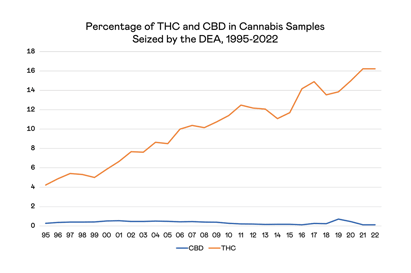
Indeed, the evolution of marijuana over the last hundred years since its entry to the U.S. has been dramatic. The highly-commercialized strains on the market today are 10 to 20 times stronger than what was previously available. At the same time, this is compounded by the dangers of new methods of consumption: Vaping and edibles make it easier than ever to consume higher quantities of the drug, faster — and more discreetly.
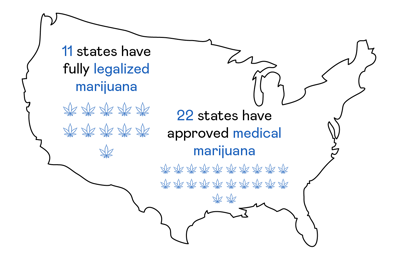
"What we're seeing now is that marijuana is often easier for adolescents to access than alcohol," Fikes notes. "The legalization movement has created a false sense of security for both teens and their families. Because it's legal, parents believe that it is safe and perhaps not as bad as other drugs." More than 20 states and several nations have legalized marijuana in some form.
Marijuana & Teen Mental Health
This increased accessibility comes at a time when teenage mental health concerns are already at historically high levels of acuity. For example, recent SAMHSA data shows that 19.5% of adolescents experienced a major depressive episode in the past year — more than double the rate seen in adults.
Bryan Fikes, Co-Founder and CEO of Stonewater, has observed these parallel trends firsthand. "Mental health disorders over the past decade have been on the rise, and marijuana is far and away the most common drug of choice with the adolescents we treat at Stonewater,” he says. “It's hard not to consider some type of correlation."
Adolescent vs. Adult Cannabis Use
The implications for adolescent health and development while using marijuana are daunting. Stonewater Clinical Director Jeffery Noles, LAC, LPC, CTT, CCS, CSAT emphasizes that the developing teenage brain is particularly vulnerable to today's high-potency cannabis products. Data around this can be misleading as most of the research done on the effects of marijuana has focused on already-developed adult brains.
“Most of us are thinking about cannabis data through the lens of responsible adults making choices for what they want to do with their lives,” Noles explains. “We’re not centering in on the impact it can have on a mind that hasn't finished developing, which is vastly different.'"
Teen Marijuana Use: What Parents Can Do
Despite this daunting picture, early intervention can make a crucial difference. At Stonewater, the team consistently witnesses success stories of teens who receive proper treatment and support — and transform their lives and path as a result. In an adolescent residential treatment program, teens gain distance from the triggers and peer pressures of daily life long enough for the effects of high-potency cannabis to clear and for underlying issues to be treated directly.
"The wonderful thing about the adolescent brain is that it is resilient," Elizabeth Fikes shares. "When teens do come and receive treatment, we see tremendous progress once they stop using marijuana, and we equip them with the tools they need to address the underlying anxiety, depression or other struggles."
For parents concerned about their teen's marijuana use, experts recommend:
- Taking any marijuana use seriously, regardless of frequency
- Looking for changes in behavior, school performance, or friend groups
- Starting conversations early about risks and safety
- Seeking professional guidance if concerned
- Remembering that help is available, and recovery is possible
It’s true, the landscape of teen marijuana use has changed dramatically. However, with awareness, early intervention, and proper support, families can navigate these challenges successfully. Understanding today's realities is the first step toward protecting our youth and helping them build healthy futures.
Stay tuned for more critical information parents need to know as we continue our series The New Marijuana: Understanding Today's Risks for Our Children.
And, if someone you know needs help, reach out to our team of adolescent experts via phone, chat or on our contact page.

.jpg)