By
By

What is victim mentality in adolescents?
Victim mentality in teens is an acquired psychological pattern where an adolescent consistently views themselves as a helpless target of external circumstances, regardless of reality. Often rooted in underlying trauma, chronic anxiety, or low self-esteem, this mindset leads teenagers to externalize blame, feel powerless to overcome everyday challenges, and reject personal accountability.
While commonly referred to in public discourse as a "victim mentality," this pattern is often clinically understood as learned helplessness or an externalization of blame.
Introduction and Clinical Context
Reframe the Struggle: Understanding Your Teen’s Defensive Mindset
When your child was younger, helping them solve problems was straightforward. A scraped knee required a bandage; a bad grade called for a study session. But as adolescents navigate the complex transition into young adulthood, emotional hurts become far less visible and more complex.
If you are noticing that your teenager routinely blames teachers for bad grades, accuses friends of "always targeting" them, or shuts down entirely at the mention of responsibility, you may be witnessing a victim mentality.
It is painful and exhausting to watch a young person you love sink into chronic helplessness. As parents, the knee-jerk reaction is often either to fix the problem for them or to express frustration at their lack of ownership. However, in the world of adolescent mental health, a victim mindset is rarely just "bad attitude" or laziness. More often, it serves as an emotional defense mechanism, a psychological shield designed to protect a vulnerable teen from the terrifying fear of failure, rejection, or confronting unaddressed trauma.
To help your teen break free from this pattern, we must look beyond the surface behavior and understand what is driving it from within.
Recognizing the Signs
What Are the Key Signs of Victim Mentality in Teenagers?
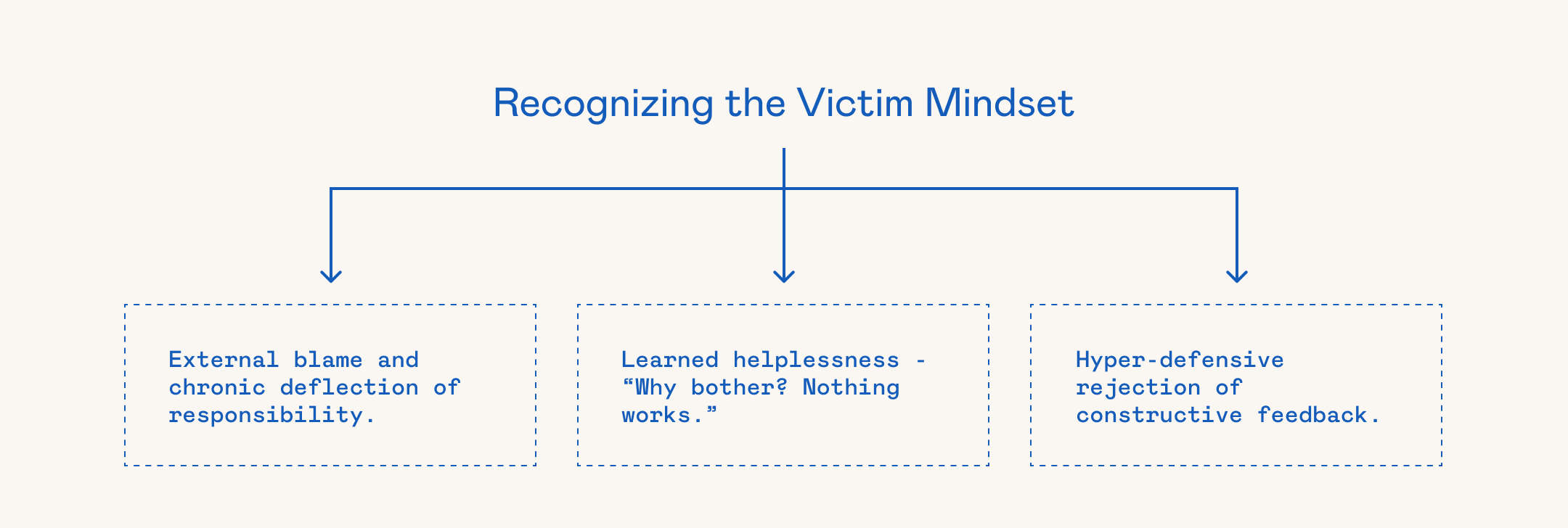
While every teenager experiences moments of self-pity or feeling unfairly treated, an entrenched victim mindset is persistent and pervasive across multiple areas of life, including the home, school, and social circles. Recognizing these behaviors early allows parents to intervene before the mindset hardens into adult personality traits.
1. Chronic Deflection of Responsibility
When confronted with a mistake or broken boundary, an adolescent with a victim mindset immediately shifts focus to external factors. If they miss a deadline, it was because the teacher "hates them." If a household rule is broken, it was because a sibling "provoked them." The common denominator in every story is that they had no choice and no agency.
2. Pervasive Cognitive Bias Toward Negativity
Teens struggling with this pattern filter their daily experiences through a selective lens. Neutral events are misinterpreted as intentional slights, and positive outcomes are dismissed as accidents or luck. They often carry a deep-seated narrative that the world is inherently stacked against them.
3. Learned Helplessness and Passive Avoidance
When faced with adversity, these teenagers often surrender before attempting a solution. You may hear statements like, "I can't do this anyway, so why try?" or "It doesn't matter what I do, it's never good enough." This paralysis prevents them from developing essential problem-solving skills and reinforces their belief that they are incapable of influencing their own life.
4. Emotional Rigidity and Rejection of Feedback
Constructive guidance or gentle correction is perceived as a personal attack. Rather than reflecting on advice, the teenager responds with intense defensiveness, emotional outbursts, or complete shutdown, leaving parents feeling as though they are walking on eggshells.
Root Causes and Psychological Drivers
Why Do Teens Develop a Victim Mindset?
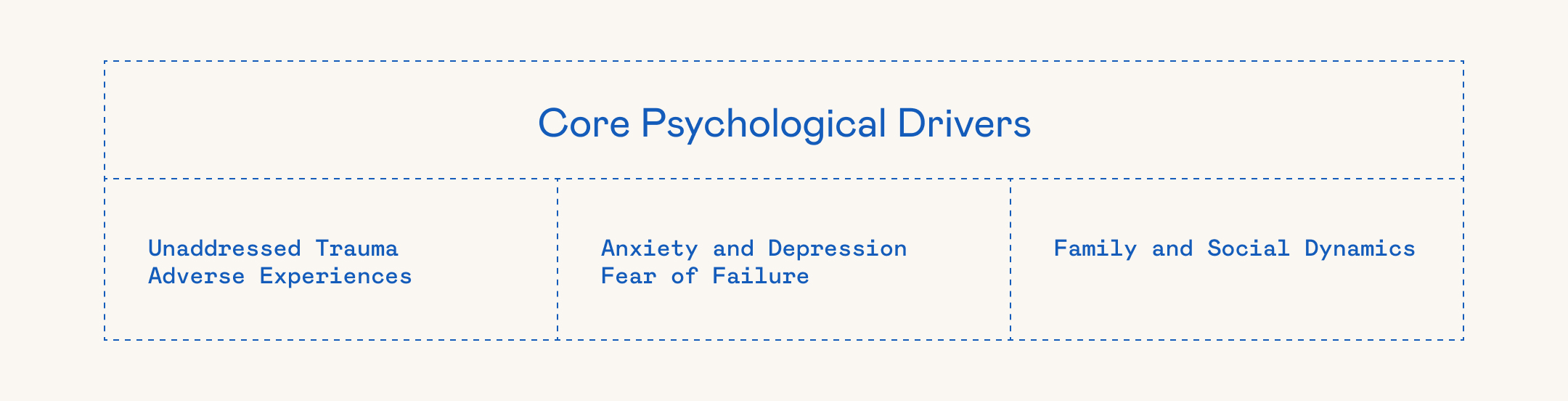
A victim mentality is not born overnight; it is built over time as an adaptive response to emotional distress. Through extensive research, persistent feelings of powerlessness during adolescence typically stem from three core areas:
Unaddressed Adverse Experiences and Trauma
Trauma fundamentally disrupts a young person's sense of safety and agency. Whether an adolescent has experienced bullying, parental divorce, loss, or chronic emotional neglect, trauma teaches the brain that the world is dangerous and unpredictable. In response, adopting a victim mindset allows the teen to anticipate bad outcomes, serving as an unconscious protective strategy: If I expect to be hurt or mistreated, I won't be caught off-guard when it happens.
For adolescents whose trauma involves substance use or severe behavioral challenges, addressing these underlying wounds requires more than a simple mindset shift; it demands specialized, comprehensive adolescent mental health treatment.
Anxiety and the Shield Against Failure
Adolescence brings unprecedented academic, social, and personal pressure. For a teen wrestling with high anxiety or low self-esteem, the fear of failing can be overwhelming. Claiming helplessness acts as an emotional safety net: if a teen believes they were doomed from the start, failure doesn't mean they were inadequate; it simply means the situation was unfair.
Systemic Family Dynamics and Enabling
Parents naturally want to protect their children from pain. However, when parents consistently step in to fix consequences, fight their teen's battles, or excuse unacceptable behavior, they can inadvertently reinforce the message that the teen is incapable of handling life's demands. True healing requires shifting the family dynamic from one of accommodation to one of supportive empowerment, often through structured family therapy and support.
Actionable Guidance for Parents
How Can Parents Help a Teen Overcome a Victim Mindset?
Breaking the cycle of a victim mindset requires parents to balance unconditional love with firm, consistent boundaries. The goal is not to lecture or debate, but to help your child reclaim their agency.
1. Validate the Feeling, Challenge the Perception
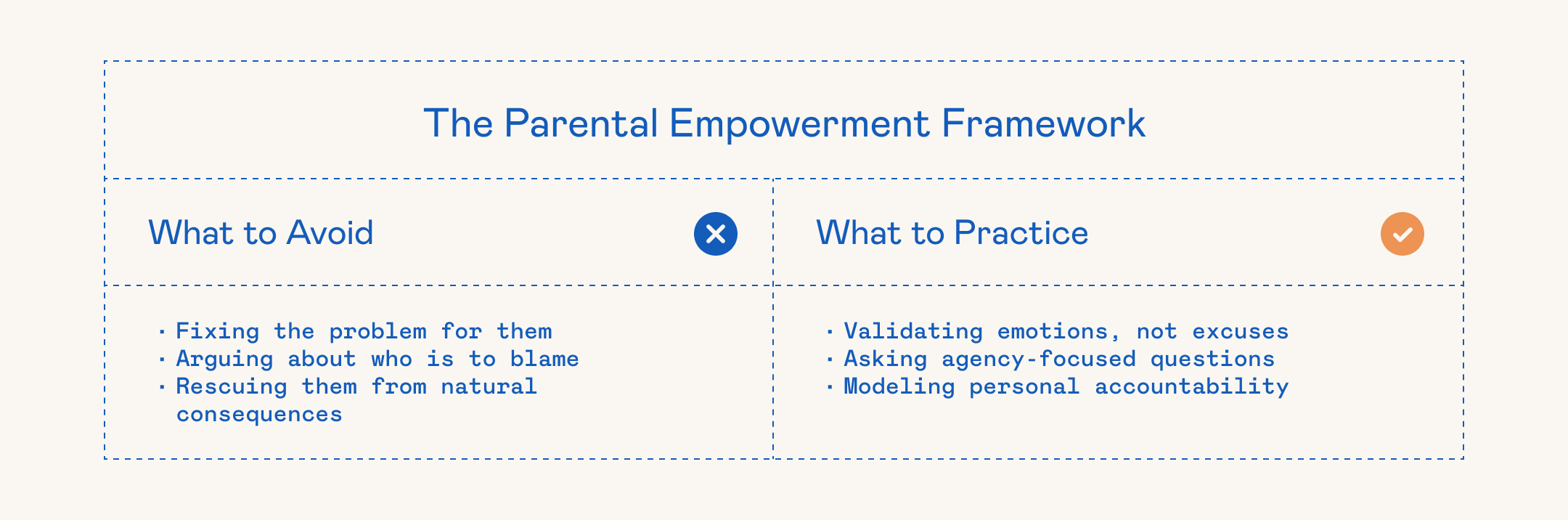
Acknowledge your teen's emotional reality without agreeing with their distorted narrative.
- Instead of saying: "That’s ridiculous, your teacher isn't picking on you."
- Try saying: "I hear how frustrated and overwhelmed you feel about that grade. Let's talk about what options you have to handle it."
2. Shift the Narrative to Personal Agency
Help your teen redirect their energy from what happened to them to what they can do about it. Gently introduce reflective questions that promote problem-solving:
- "What is one small step you can take today that is within your control?"
- "How would you like to handle this situation moving forward?"
3. Enforce Natural Consequences with Compassion
Rescuing your teenager from the uncomfortable results of their choices validates their belief that they are helpless. Allow natural consequences to occur while offering your presence and support. When teens realize they can survive discomfort and take restorative steps, their confidence grows.
4. Model Accountability in Your Home
Adolescents learn far more from watching how adults handle stress and mistakes than from what they are told. When you make a mistake, admit it openly without making excuses. Show them what it looks like to own a misstep, apologize, and commit to doing better.
Clinical Interventions and Therapeutic Approaches
What Types of Therapy Work Best for Victim Mentality in Teens?
When a victim mindset becomes deeply rooted, it often leads to severe depression, anxiety, academic drop-off, or substance use as a coping mechanism. Professional intervention offers a safe, structured space where young people can reframe their thinking and rebuild self-worth.
EVIDENCE-BASED THERAPEUTIC MODALITIES
Cognitive Behavioral Therapy (CBT)
CBT is designed to help teenagers identify automatic negative thoughts and examine the evidence behind them. Through CBT, clinicians guide teens to shift from an external locus of control (believing outside forces dictate their life) to an internal locus of control (recognizing that while they cannot control every event, they control their response).
Dialectical Behavior Therapy (DBT)
DBT teaches teenagers four vital skill sets: mindfulness, distress tolerance, emotion regulation, and interpersonal effectiveness. By learning to sit with uncomfortable emotions without jumping to defensiveness or despair, teens develop the internal strength needed to face life's obstacles directly.
Restorative Residential Care for Young Men
For adolescents who need immersive support away from daily triggers and negative peer dynamics, structured residential care offers a path toward deep transformation. At Stonewater Adolescent Recovery, our residential treatment program for young men integrates individual clinical therapy, family programming, academic support, and experiential therapies to address the root causes of destructive mindsets and behaviors.
Frequently Asked Questions
Frequently Asked Questions About Teen Victim Mentality
Guiding Your Teen Toward Healing and Purpose
Seeing your teenager feel powerless and stuck is heartbreaking, but a victim mindset does not have to define their future. With the right clinical support, intentional boundaries, and therapeutic guidance, adolescents can learn to release chronic helplessness and step into lives of strength, purpose, and self-confidence.
At Stonewater Adolescent Recovery, we specialize in helping adolescent boys and their families heal from the inside out. Our clinical team works directly with young men to heal underlying trauma, develop emotional resilience, and discover their true potential.
You do not have to navigate this journey alone.
- Speak with an Admissions Specialist: Call our compassionate clinical team today at (662) 373-2828.
- Explore Our Programs: Learn more about our specialized adolescent treatment approach.
- Verify Insurance: Confidential, non-obligation insurance verification is available online.

.jpg)