Skip to content

A Legacy of Success: Life After Stonewater

STW-pexels-william-fortunato-6141083-edited-without-earring optimized

The ultimate measure of our success is not found in a completed program alone; it is found in the long-term thriving of the young men who have experienced life on our campus.

At Stonewater, we recognize that graduation is just the beginning of a lifelong journey of connection.

By focusing on identity formation and emotional resilience during treatment, we ensure our graduates return home with a sense of purpose and a permanent seat in a community that is here to stay.

Contact us today to learn more.

STW Outcomes Family Perspective 1000p Optimized

The Parent Perspective: A Community of Trust

Beyond the statistics, the true heart of Stonewater is reflected in the families who have walked this path before you. Parents consistently rate their experience with us as one they would recommend to any family facing similar challenges, with an average family testimonial rating of 4.9 out of 5 stars.

One parent shared: "Stonewater is an amazing place with amazing people who see their job as a mission. Do not hesitate to let them treat your son and trust them in the process".

Another parent reflected on the radical transformation they witnessed, stating: "Stonewater changed my son's life in the most positive way. When he graduated, there were so many tears of joy... My son would not be where he is today without Stonewater".

Family Referral Rate Survey

Marijuana Prevention
Stonewater SO Blog Hero Common Signs of Bipolar Feb2026

Emotional Dysregulation and Impulsivity

Rapid mood swings, intense reactions, impulsive decisions, or repeated relational conflict often signal difficulty with regulation. DBT provides a structured intervention for teens managing bipolar disorder, mood instability, and behavioral escalation.

Marijuana Prevention

Substance Use Disorders

Substance use is often an attempt to numb or manage overwhelming emotions.

DBT for adolescents with substance-use disorders addresses the underlying emotional drivers behind substance use. Rather than focusing solely on stopping the behavior, we build healthier coping systems that make long-term sobriety sustainable.

test

Co-Occurring Mental Health Disorders

Substance use and mental health challenges are frequently interconnected.

DBT integrates effectively into treatment for adolescents managing anxiety, depression, ADHD, bipolar disorder, and trauma-related conditions. Treating both concerns simultaneously strengthens long-term outcomes.

test

Trauma and PTSD

Trauma-informed dialectical behavior therapy recognizes that emotional instability often has deeper roots.

At Stonewater, safety and stabilization come first. Adolescents develop regulation skills before progressing into trauma processing. This stage-based approach ensures emotional resilience is built before deeper work begins.

test

Self-Harm Behaviors

For teens engaging in cutting, burning, or other self-harm behaviors, DBT offers structured alternatives. Distress tolerance skills reduce crisis intensity while replacing harmful behaviors with safer, effective coping strategies.

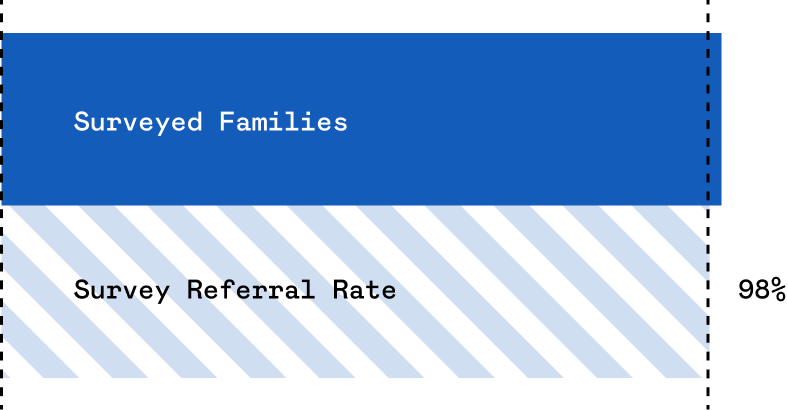
Our commitment to excellence is best reflected in the trust of the families we serve, with a remarkable 98% of surveyed parents stating they would recommend the Stonewater program to others seeking treatment.

This overwhelming endorsement underscores our legacy of success and the deep, impact we have on the families who join our community. It is more than just a statistic; it is a testament to the life-changing transformations that begin on our campus.

STW Outcomes 98% of Families Surveyed v2

Proven Results: Trust the Data

We believe families shouldn't just trust our words; they should trust the data that proves the efficacy of our action-based approach. The purpose of our clinical tracking is to ensure that the skills learned in our DBT-integrated program, such as distress tolerance and emotional regulation, translate into lasting quality-of-life improvements.

The impact is evident in our outcomes: our alumni report a significant decrease in substance use and self-harming behaviors. Furthermore, over half of our participants report a sustained, positive shift in their overall mental health and family relationships years after completing the Stonewater program.

The impact is seen in our patient reports:

STW Outcomes PCO Halving Trauma

Halving Trauma Symptoms:

Our DBT-integrated program effectively targets trauma, with severe PTSD symptoms consistently reduced by half during a resident’s stay

STW Outcomes PCO 70percent Less Depression

70% Reduction in Severe Depression:

Clinical data show a consistent, drastic decrease in moderate to severe depression symptoms, moving residents from crisis to stability

STW Outcomes PCO 95percent Abstience v2

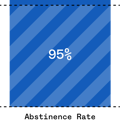
95%+ Abstinence Rate:

Throughout treatment, over 94% of our residents maintain complete abstinence from drugs and alcohol, fostering a safe environment for neuro-restoration

STW Outcomes PCO 90percent Suicide Prevention

Suicide Prevention Success:

In multiple quarters, clinical reports showed that over 90% of residents who arrived with an intended suicide plan no longer held that intent upon graduation

STW PCO Outcomes LP The Results 1000p Optimized
STW Outcomes Alumni Network Sized Optimized 1500p

The Power of the Stonewater Alumni Network

The purpose of the Stonewater Alumni Network is to provide a consistent, predictable support system that mirrors the stability our residents first experience during their time with us.

For a young man navigating the complexities of early recovery, having a lifelong network of peers who understand his specific journey is life-changing.

The impact of this ongoing engagement is a significant reduction in isolation and a higher likelihood of maintaining long-term sobriety, as our alumni continue to practice the healthy connections they built while in our care.

STW PCO Outcomes LP Transformation 1500p

From Potential to Leadership: Voices of Experience

Sharing our alumni’s stories provides "light in the eyes" for incoming families who may currently feel heartbroken or helpless. We witness the transformation of young men into confident leaders who are genuinely excited about their futures. Our graduates themselves best capture the impact of these transformations.

One alumnus noted: "Stonewater didn’t just fix my behavior; they stayed with me until I remembered who I was".

Another reflected: "I came in arguing that the sky was black, and I left as a leader because the staff never gave up on the truth of my potential".

DBT Therapy Methodologies at Stonewater

Individual DBT Therapy

Your child works one-on-one with a DBT-trained clinician to apply skills directly to his patterns and goals. Sessions are personalized, focused, and outcome-driven. Progress is measured, barriers are addressed directly, and accountability is part of the process.

DBT Group Therapy

Group DBT skills training allows adolescents to learn and practice the four core skills alongside peers facing similar challenges. This setting builds confidence, reinforces learning, and normalizes struggle in a structured, respectful environment.

Stage-Based Trauma Treatment

For trauma survivors, DBT principles are implemented in progressive stages. Stabilization precedes deeper emotional work. Each stage builds on the previous one, allowing healing to occur at a sustainable pace.

The Four Core Skills of DBT Therapy

DBT therapy teaches four essential skill sets that work together to create emotional stability and behavioral change.

Mindfulness

Mindfulness builds awareness without immediate reaction. Your child learns how to notice thoughts, urges, and emotions as they arise — without being controlled by them. This pause between feeling and action is foundational. It restores choice where impulsivity once took over.

Mindfulness does not suppress emotion, but rather strengthens control.

Distress Tolerance

Distress tolerance prepares teens for moments when emotions spike, and everything feels urgent.

Instead of reacting in ways that create more damage, your child learns practical techniques to move through a crisis safely. These tools reduce the likelihood of turning to substances, aggression, or self-harm when discomfort becomes intense. The goal is stability under pressure.


Emotional Regulation

DBT for emotional regulation teaches adolescents how emotions function — biologically and behaviorally.

Your child learns to:

  • Identify emotional triggers
  • Understand escalation patterns
  • Reduce vulnerability to mood swings
  • Shift responses before behaviors spiral

Emotions may still feel strong but they no longer dictate behavior.

Interpersonal Effectiveness

Healthy relationships require skill. Interpersonal effectiveness teaches your child how to communicate clearly, set boundaries, resolve conflict, and rebuild trust. If substance use or emotional volatility has strained family or peer relationships, these tools create a path forward. This is where accountability and respect meet.

How DBT Therapy Works at Stonewater

Residential Treatment Integration

At Stonewater, our 24/7 residential treatment means your child gets to practice DBT skills in a safe environment, away from all the triggers that kept pulling him back into using. Our program combines individual and group DBT skills training, academics, and experiential programming with trained staff coaching him through every crisis moment.

Daily Integration

DBT therapy isn't a once-a-week appointment here. At Stonewater, it's integrated throughout your child's entire day. This constant reinforcement turns the skills from concepts he talks about in therapy into automatic responses he actually uses.

Real-Time Coaching

When conflicts arise in group settings, we help your child practice interpersonal effectiveness immediately. When anxiety or anger surfaces during activities, our DBT-trained staff coach him through using his distress tolerance and emotion regulation skills in the moment.

Family Involvement

You're not left on the sidelines. Parents learn DBT principles to support their child's progress. You'll understand the language of DBT, recognize when your child is using skills, and know how to reinforce healthy coping strategies when he comes home.

Frequently Asked Questions About DBT Therapy

How is DBT therapy different from traditional therapy?

Traditional therapy often focuses on insight and discussion.
DBT therapy focuses on skill acquisition and implementation.

Teens leave sessions with practical strategies they can use immediately during moments of stress.

Will my child continue DBT after residential treatment?

Many families choose to continue DBT-informed outpatient therapy or skills groups after discharge. Our team helps coordinate a personalized aftercare plan to maintain continuity and long-term stability.

Can DBT help teens with ADHD or bipolar disorder?

Yes. DBT improves impulse control and emotional regulation for adolescents with ADHD and provides structured tools for managing mood instability in bipolar disorder.

How long does it take to see results?

Many families begin noticing stabilization within four to six weeks. Deeper emotional regulation and behavioral consistency strengthen over several months of continued practice.

Accordion titleIs DBT only for severe cases?

No, DBT is not just for severe cases. DBT benefits any adolescent struggling with emotional intensity, impulsivity, or relational conflict. A formal diagnosis is not required to benefit from structured skill development.

AccWhat makes Stonewater’s DBT approach different?ordion title

DBT is embedded throughout the residential experience. Staff provide consistent coaching in real-world situations, reinforcing skills beyond therapy sessions. This integrated, personalized model increases retention, strengthens outcomes, and supports lasting change.